7 Real Benefits of Wearing Natural Fibers Every Day
Last Updated: November 5, 2026
Quick Summary
Natural fibers such as cotton, linen, hemp, wool, and silk manage moisture, heat, and skin contact better than most synthetics, keeping you cooler and more comfortable. They absorb and release sweat gradually, support temperature regulation, and resist odor, though they cost more upfront and need careful washing.
- Linen can absorb up to 20% of its weight in moisture before feeling damp.
- Wool can be worn several times between washes, reducing how often you wash it.
- The natural fiber market is projected to grow from $66.87 billion in 2026 to $99.31 billion by 2034.
- Natural fibers are biodegradable and renewable, with lower environmental impact than synthetics.
- Check the fiber content label, not the silhouette, since loose polyester can still trap heat.
Table of Contents
- Why Natural Fiber Clothing Feels Different From the Start
- Natural Fibers vs Synthetic Fibers: The Practical Differences
- 1. Breathability and Airflow That Keep You Cool
- 2. Moisture Absorption, Wicking, and Temperature Regulation
- 3. The Benefits of Natural Fibers for Skin
- 4. Odor Resistance, Durability, and Garment Longevity
- The Downsides of Natural Fibers You Should Know
- Best Natural Fabrics for Clothing: A Fiber-by-Fiber Guide
- Frequently Asked Questions
Why Natural Fiber Clothing Feels Different From the Start
Natural fibers are textile materials derived from plants or animals, including cotton, linen, hemp, wool, and silk, and they behave differently against the body than petroleum-based synthetics. That difference is why the benefits of wearing natural fibers show up within minutes of putting a garment on, not after weeks of wear.
Here's the part most guides skip. "Natural" is not a synonym for "better in every situation." Synthetics dominate the market for real reasons, including cost, durability, and how easily they blend with other fibers, as Tocco's analysis of sustainable sourcing in fashion notes. The honest case for natural fibers is narrower and more useful than the marketing version: they manage moisture, heat, and skin contact in ways most synthetics do not.
Below, we break down seven practical benefits, the trade-offs nobody mentions, and how to pick the right fiber for your actual life.
Natural Fibers vs Synthetic Fibers: The Practical Differences
Natural fibers come from plants or animals; synthetic fibers are manufactured from petrochemicals or cellulose-derived polymers. The practical difference sits in how each responds to sweat, heat, and friction. A 2025 review of natural fibers in fashion sustainability describes plant and animal fibers as biodegradable and renewable, with lower environmental impact than synthetics, and that material origin shapes everyday performance too.
| Feature | Natural Fibers | Synthetic Fibers |
|---|---|---|
| Moisture handling | Absorb and release sweat | Wick but trap odor |
| Breathability | High air circulation | Varies; often low |
| Skin feel | Soft, textured, breathable | Smooth, sometimes clingy |
| Durability | Good with proper care | High, resists stretching |
| Cost | Higher upfront | Lower upfront |
| End of life | Biodegradable | Persistent, sheds microplastics |
Market forecasts reflect continued interest: Fortune Business Insights' natural fiber market outlook projects growth from $66.87 billion in 2026 to $99.31 billion by 2034, a 5.1% compound annual rate.
1. Breathability and Airflow That Keep You Cool
Breathability is a fabric's ability to let air pass through it, and natural fibers generally allow more air circulation than tightly woven synthetics. Linen and cotton, in particular, let heat escape instead of trapping it against your skin. That airflow matters most in humid climates and during the transitional seasons when you are layering.
A common mistake is assuming any loose garment breathes well. A loose polyester top can trap heat as effectively as a fitted one. Check the fiber content label, not the silhouette. Woven structures like the handwoven linen in our slit pant open up airflow in a way that tight knits do not.
2. Moisture Absorption, Wicking, and Temperature Regulation
Natural fibers absorb moisture and release it slowly, which supports temperature regulation rather than fighting it. Cotton and linen pull sweat away from the skin and let it evaporate; wool can absorb moisture vapor while still feeling dry. This is why natural fiber clothing tends to feel comfortable across a wider range of body temperatures.
Synthetics wick faster in high-sweat situations, and for performance athletics that matters. For everyday wear, commuting, travel, and long days that move between air conditioning and outdoor heat, moisture absorption and gradual release keep you steadier. If you overheat easily, prioritize linen and lightweight cotton over blends with a high synthetic content.
3. The Benefits of Natural Fibers for Skin
The skin benefits of natural fibers come down to three mechanisms: moisture handling, airflow, and surface texture. Unlike synthetics, which can trap sweat and heat against the body, natural fibers absorb moisture and release it gradually, reducing the warm, damp environment that contributes to friction and discomfort. Cotton and linen, for example, pull sweat away from the skin and let it evaporate, while wool can absorb moisture vapor without feeling clammy.
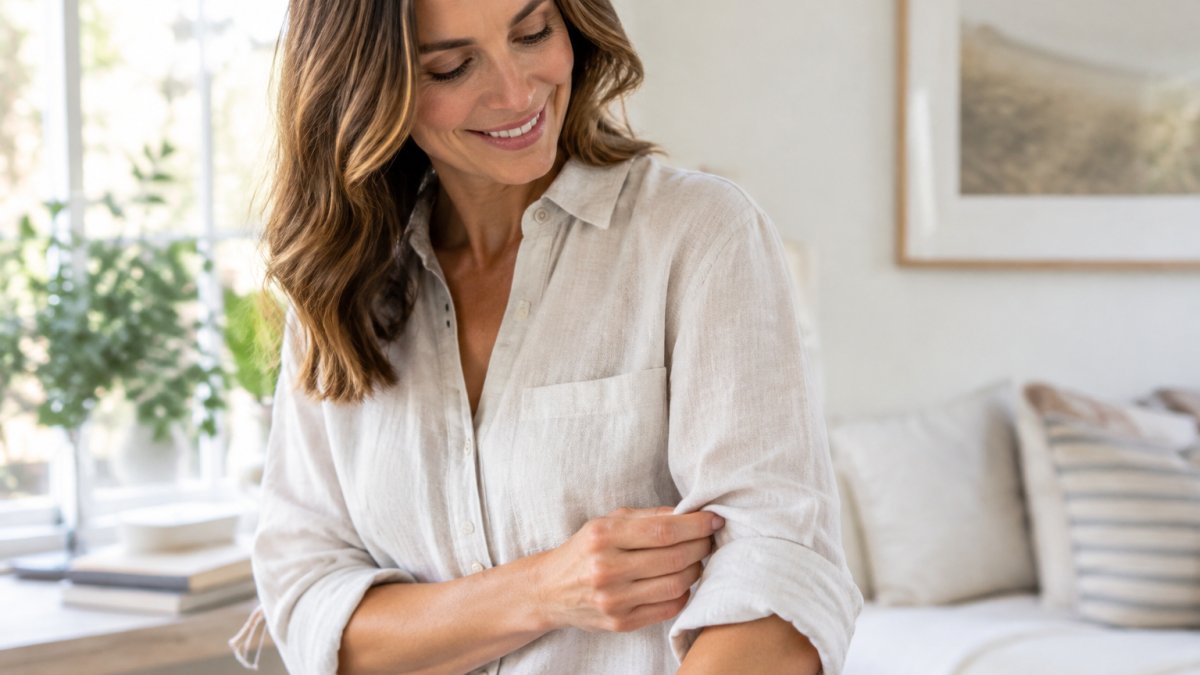
But "natural" does not automatically mean "hypoallergenic." Wool can irritate some skin types, especially coarser grades, and dyes or finishes matter as much as fiber content. If you have a skin condition, check with your doctor or dermatologist before choosing new pieces.
4. Odor Resistance, Durability, and Garment Longevity
Natural fibers are often described as resisting odor better than many synthetics, and some, such as wool, can be worn several times between washes, which reduces how often a garment needs washing.
Natural fibers are not indestructible. Cotton can pill, linen creases, and silk needs gentle handling. Care routines such as cold washes, air drying, and folded storage help garments last.
The Downsides of Natural Fibers You Should Know
The downsides of natural fibers are real: higher upfront cost, more care requirements, wrinkling, and shrinking risk. Linen creases, cotton can shrink, wool needs careful washing, and silk demands attention. None of that is a dealbreaker, but pretending otherwise sets you up for disappointment.
There is also a sourcing question. "Natural" describes origin, not farming practice, so look for organic cotton or certified wool if sustainability is your goal. And as Tocco's sourcing case study points out, synthetics remain industry favorites for cost, durability, and blendability. A fiber blend can be the smarter choice for a garment that needs to hold its shape.
The Caelo Handwoven Linen Slit Pant →
Best Natural Fabrics for Clothing: A Fiber-by-Fiber Guide
The best natural fabric depends on the garment, season, and your skin sensitivity. Here is how each fiber actually performs across breathability, moisture handling, warmth, durability, and care.
Cotton and Organic Cotton
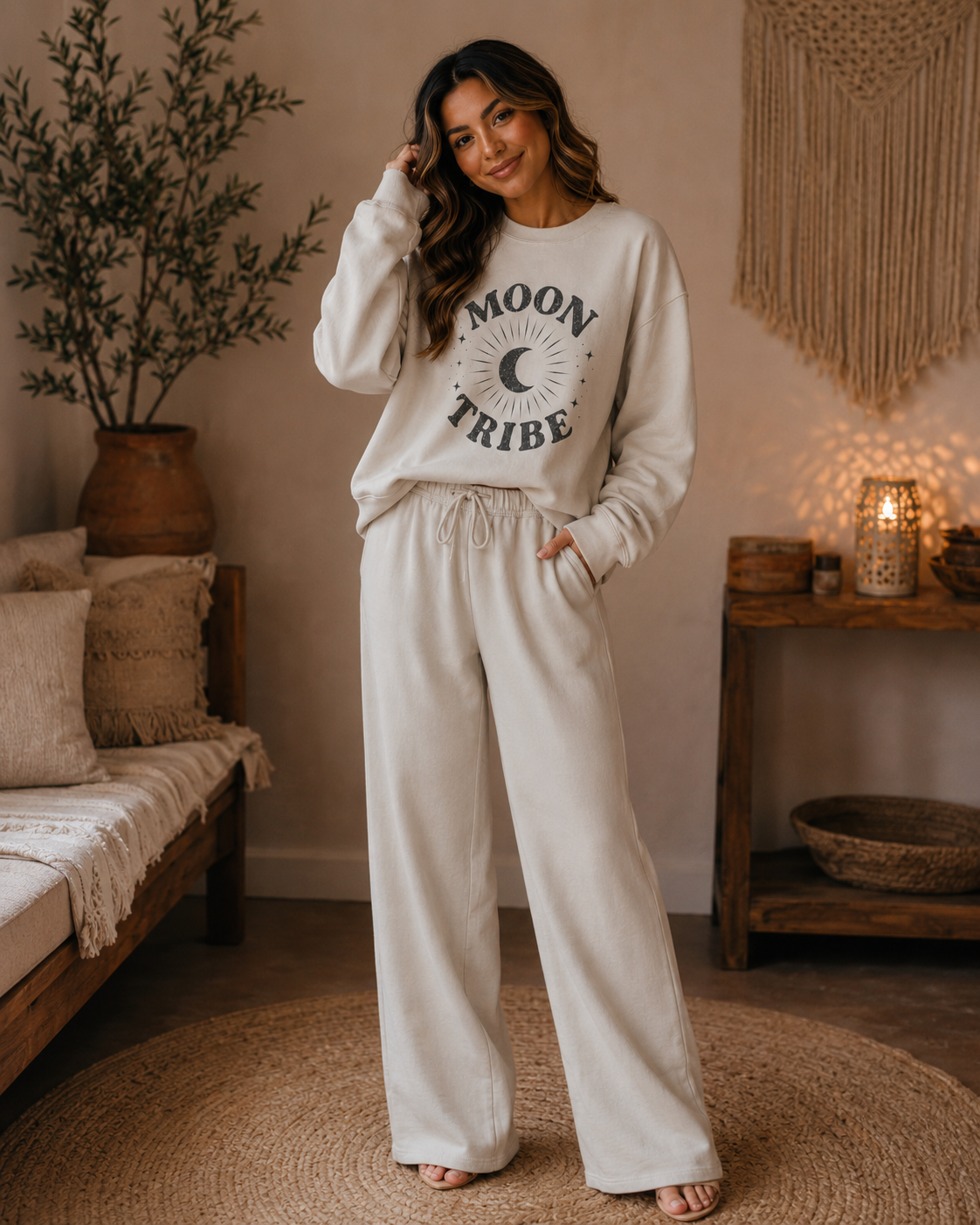
Cotton is soft, breathable, and easy to care for, which is why it anchors most everyday wardrobes. It absorbs moisture and releases it gradually, making it comfortable across seasons. Our comfort-washed organic cotton sweatshirt shows how cotton handles easy layering without losing shape.
Best for: everyday basics, sensitive skin, year-round wear. Skip if: you need wrinkle-free performance straight from a suitcase.
Linen
Linen is the strongest case for hot weather: it breathes, absorbs moisture quickly, and gets softer with every wash. Its hollow fiber structure allows air to circulate, and it can absorb up to 20% of its weight in moisture before feeling damp. It wrinkles easily and has little elasticity, so it works best in loose cuts. Our handwoven linen slit pant is built around exactly these qualities.

Best for: heat and humidity, casual wear, breathability. Skip if: you want a crisp, wrinkle-free look all day.
Hemp
Hemp behaves like linen but with more strength and durability. It resists UV light and mold, and it softens with wear. It can feel rough initially, so look for mechanically softened or blended hemp. It is best for durable everyday pieces like pants and jackets.
Best for: durability, hot weather, low-maintenance wear. Skip if: you need immediate softness against sensitive skin.
Wool
Wool regulates temperature and resists odor, making it ideal for cool weather and travel. Fine grades like merino are soft enough for next-to-skin wear, while coarser wools work best in outerwear. Wool can absorb moisture vapor without feeling wet, and it stays warm even when damp. Our embroidered wool belt shows how wool works as an accessory rather than a full garment.

Best for: cool weather, odor resistance, temperature regulation. Skip if: you have wool sensitivity or want easy machine washing.
Silk
Silk is lightweight, fluid, and gentle against the skin. Its smooth filament structure creates less friction, making it a good choice for sensitive skin and travel. It regulates temperature well but requires gentle hand washing and is prone to water spots. Our peace silk jogger is built around these qualities.

Best for: travel, layering, sensitive skin. Skip if: you want zero-maintenance care.
Watch out: fiber blends can complicate care and performance, so check the percentage of each fiber before buying if you need specific properties like wrinkle resistance or easy washing.
Frequently Asked Questions
Is it healthier to wear natural fibers?
For most people, natural fiber clothing is a comfortable choice rather than a medical one. Natural fibers are generally described as biodegradable and renewable, and their breathability and moisture absorption can make them feel less clammy than some synthetic fabrics. If you have sensitive skin or tend to overheat, cotton, linen, and silk are worth trying first. Anyone with a skin condition should check with their doctor or dermatologist.
What are the downsides of natural fibers?
They wrinkle, they can shrink, and they usually cost more than polyester. Synthetic fibers are popular with manufacturers for their low cost and ease of production, so natural options often sit at a higher price. Linen creases as you wear it, wool needs careful washing, and silk stains easily. Many of these trade-offs are manageable with simple care: cool washes, air drying, and storing knits folded rather than hung.
Is cotton or linen better for everyday clothing?
Cotton is softer against the skin and easier to care for, which makes it a reliable base for tees, sweatshirts, and everyday layers. Linen wins on breathability and airflow in heat, and it drapes beautifully as it softens with wear. For humid summers or travel, linen pieces like a wide-leg pant work well; for year-round basics, cotton is the simpler pick. Many wardrobes end up using both, with cotton for daily wear and linen for warm days.
Is rayon a natural fiber?
No. Rayon starts as wood pulp, a plant material, but it goes through heavy chemical processing to become fiber, so it is classed as semisynthetic rather than natural. That matters if you are choosing natural fiber clothing for breathability or biodegradability, because rayon behaves differently from cotton, linen, wool, silk, or hemp. Check the label: fabrics labeled lyocell or TENCEL are also regenerated cellulose, not natural fibers, even though they feel soft and drape well.
Getting dressed should feel good, not like a compromise between comfort and style. House of Caelo curates natural-fiber pieces, easy layers, and meaningful details designed to move through your real life, from coffee runs to travel to a night out. If you want clothing that helps you feel comfortable, confident, and more like yourself, browse our curated collections and find the pieces you will actually reach for. Get started with House of Caelo and build a wardrobe that works as hard as you do.