Why Women's Clothes Wear Out Faster Than Men's
Last Updated: November 17, 2026
Quick Summary
Women's clothes wear out faster mainly because they are often made from lighter fabrics and closer, more fitted cuts that concentrate friction and seam strain at stress points like underarms and inner thighs. Higher wash frequency and a fast-fashion cycle that pushes thinner, trend-driven garments add to the wear.
- A 2025 case study found fast fashion needed four shirts to match one durable garment's lifespan.
- Thin cotton jersey pills and thins fast, especially in women's tees and leggings.
- Wash less, use cool cycles, skip the dryer, and measure detergent to extend garment life.
- Dense cotton, linen, wool, and denim are the most durable fabric choices.
- Check fabric weight, seam construction, and fiber content before buying durable clothing.
Table of Contents
- Why Women's Clothes Wear Out Faster: The Real Reasons
- How Abrasion, Fit, and Wash Routines Shorten Garment Life
- The Average Lifespan of Clothes and What It Tells You
- Best Fabrics for Long-Lasting Clothes
- How to Choose Durable Clothing Before You Buy
- How to Make Clothes Last Longer: Care and Repair Basics
- Building a Longer-Lasting Wardrobe at House of Caelo
- Frequently Asked Questions
Why Women's Clothes Wear Out Faster: The Real Reasons
Women's clothes can wear out faster for a mix of reasons: lighter fabrics, more fitted cuts, higher wash frequency, and a fashion cycle that pushes thinner, trend-driven garments. A woman's favorite tee often fades or pills within a season, while a man's basic tee from the same closet can last years.
The data backs this up. A 2025 case study comparing the fast-fashion model with a durable garment over their lifespans found that the fast-fashion approach required four shirts to match the lifespan of one durable garment (case study on fast fashion versus durable garments). That is a 4-to-1 replacement cycle, and women buy into it more often.
So what actually drives the gap? It comes down to fabric, construction, and care. Below, we break down each cause and show you how to shop and wash smarter.
Fabric quality and fiber choice
Fabric quality starts with fiber choice. Natural fibers like cotton, linen, and wool generally hold up better than thin synthetics, but a lot depends on how the fiber is spun and blended.
Here is what we see in practice:
- Thin cotton jersey pills and thins out fast, especially in women's tees and leggings
- Polyester blends resist wrinkles but trap odor and shed microfibers over time
- Linen and hemp get stronger with washing and last for years
- Cheap viscose stretches out of shape after a few washes
A common mistake is assuming "100% cotton" always means durable. A lightweight cotton tee can wear through in months. Heavier cotton knits and tighter weaves last far longer.
Fabric weight, weave, and construction
Fabric weight and construction decide how a garment handles daily friction. Heavier fabrics resist abrasion. Tighter weaves and knits hold their shape. Loose, open knits snag and stretch.
Women's clothing often uses lighter weights to drape better and feel softer. That is a design choice, not a flaw, but it does shorten garment lifespan.
Watch for these construction cues:
- Seam strength: double-stitched seams outlast single-stitched ones
- Stress points: check the underarm, crotch, and pocket corners for reinforcement
- Stitch density: tighter stitching resists tearing
- Weave tightness: hold the fabric to the light; if you can see straight through, it is thin
Friction and abrasion do the rest. Thigh rub, bag straps, and seat friction wear thin fabric fast. Women's cuts often place more fabric under tension, so those stress points fail first.
How Abrasion, Fit, and Wash Routines Shorten Garment Life
Abrasion, fit, and washing are the three daily habits that age clothing fastest. Abrasion comes from friction during wear. Fit matters because tight garments stretch at stress points. Washing adds heat, agitation, and chemicals.
Abrasion and garment cut. Friction is not gender-specific, but garment cut changes where friction lands. A fitted women's top or legging places more fabric under tension at the underarm, seat, and inner thigh, so those areas thin and fail first.
Fit and seam stress. A garment that pulls at the seams will fail there first. Women's clothing is often cut closer to the body, which can increase seam strain during movement. Look for reinforced stress points and seam allowances that allow movement without pulling.
Wash routines and fiber stress. Overwashing is a common cause of shortened garment life. Each wash cycle adds friction, heat, and detergent exposure. Washing tops after every wear, even when they are not dirty, can shorten lifespan regardless of garment quality. A simple rule set for washing:
- Wash less: air out and spot-clean between wears
- Use cool wash cycles: heat breaks down fibers and fades color
- Skip the dryer: tumble drying causes shrinkage, pilling, and color loss; air dry instead
- Measure detergent: too much leaves residue that weakens fibers
- Avoid bleach: it breaks down cotton and strips color
Synthetic fibers shed and pill faster in hot water. Natural fibers shrink and lose shape in high heat. Either way, a gentler routine adds years to a garment.
What the evidence does and does not show. It is tempting to assume women wash clothes more often or buy more fast fashion, but those claims are not well supported by public data and can reinforce stereotypes.
The Average Lifespan of Clothes and What It Tells You
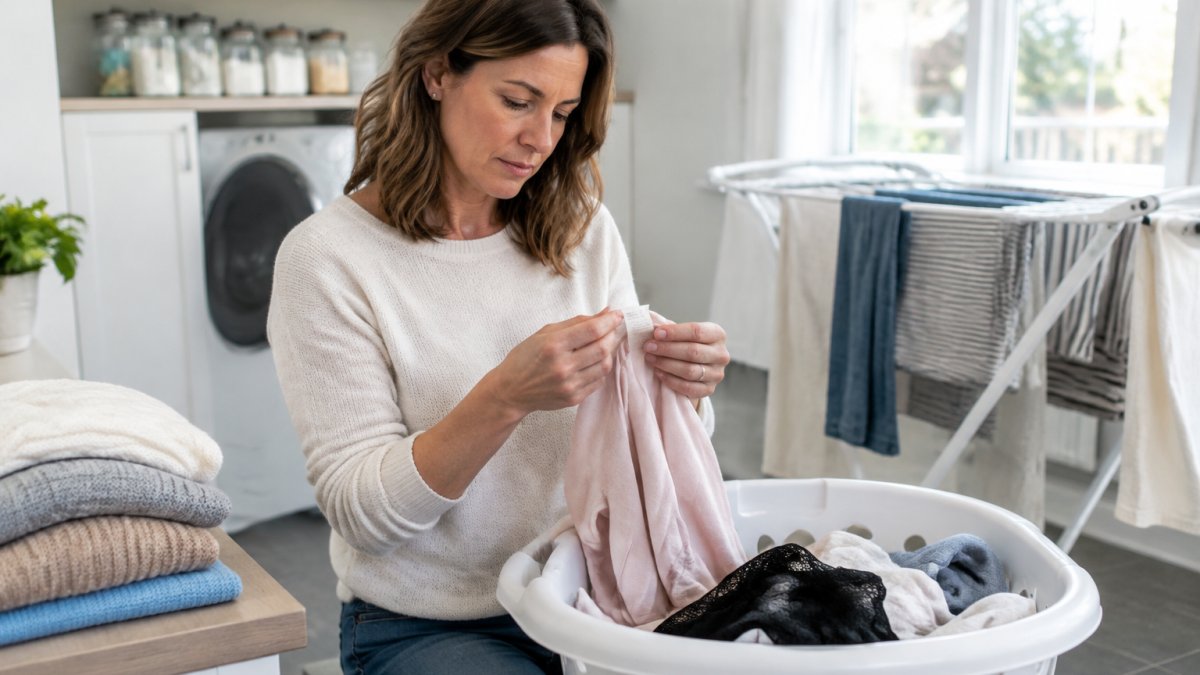
The average lifespan of clothes is short, and it is getting shorter. Fast fashion is linked to quicker style turnover and more collections each year, according to the Ellen MacArthur Foundation's work on fashion and the circular economy. More collections mean more garments bought, worn briefly, and replaced.
That cycle has a real cost. Cost per wear is the true measure of value. A $30 top worn five times costs $6 per wear. A better-made top worn fifty times costs far less per wear, even at a higher price.
Garment lifespan also depends on care. A well-made piece that is washed gently and air dried can outlast a cheap piece by years. That is why we tell customers to think in cost per wear, not sticker price.
Best Fabrics for Long-Lasting Clothes
The best fabrics for long-lasting clothes are dense cotton, linen, wool, and quality denim. These fibers resist abrasion, hold their shape, and improve or stay stable with careful washing.
Here is how the main options compare:
| Fabric | Durability | Best For | Watch Out For |
|---|---|---|---|
| Dense cotton knit | High | Tees, sweatshirts | Shrinks in high heat |
| Linen | High | Summer layers, shirts | Wrinkles easily |
| Wool | High | Sweaters, coats | Needs gentle washing |
| Denim | Very high | Jeans, jackets | Fades with harsh washing |
| Thin polyester | Low | Trend pieces | Pills, holds odor |
| Cheap viscose | Low | Draped tops | Stretches out of shape |
Heavier knits and tighter weaves win on durability. If you want a concrete example, a garment-dyed hoodie in a heavier cotton fleece shows how a durable, wash-friendly fabric choice holds up over time. You can see the kind of construction we mean in our Unisex Garment Dyed Hoodie.
How to Choose Durable Clothing Before You Buy
To choose durable clothing, check three things before you buy: fabric weight, seam construction, and fiber content. These cues tell you more about longevity than any label claim. But because the query is about why women's clothes wear out faster, it helps to know which checks matter most for the failure modes women's garments commonly show: thinning at stress points, seam failure, pilling, fading, and loss of shape.
Use this checklist in the fitting room:
- Hold the fabric to the light; if it is see-through, it is thin
- Stretch the seam gently; tight, double stitching holds
- Check stress points at underarms, crotch, and pockets
- Read the care label; delicate-only care means more work
- Feel the weight; heavier knits and weaves last longer
- Look for tight weave and smooth surface to resist pilling
Match the check to the failure type. If you are buying a fitted top or leggings, prioritize seam strength and fabric recovery at the underarm and inner thigh. If you are buying a knit, check for pilling resistance by rubbing the surface; a fuzzy, loose knit will pill faster.
Compare women's and men's construction where you can. When shopping, compare a women's basic tee with a men's basic tee from the same brand. Men's tees often use heavier fabric and a looser cut, which can make them more durable in daily wear. That does not mean women's tees are inherently worse; it means the design brief is different.
Fit matters too. A garment that pulls or strains at the seams will fail there first. Choose a cut that moves with you. If a fitted garment feels tight across the chest or hips, size up or choose a different cut; the strain will shorten its life.
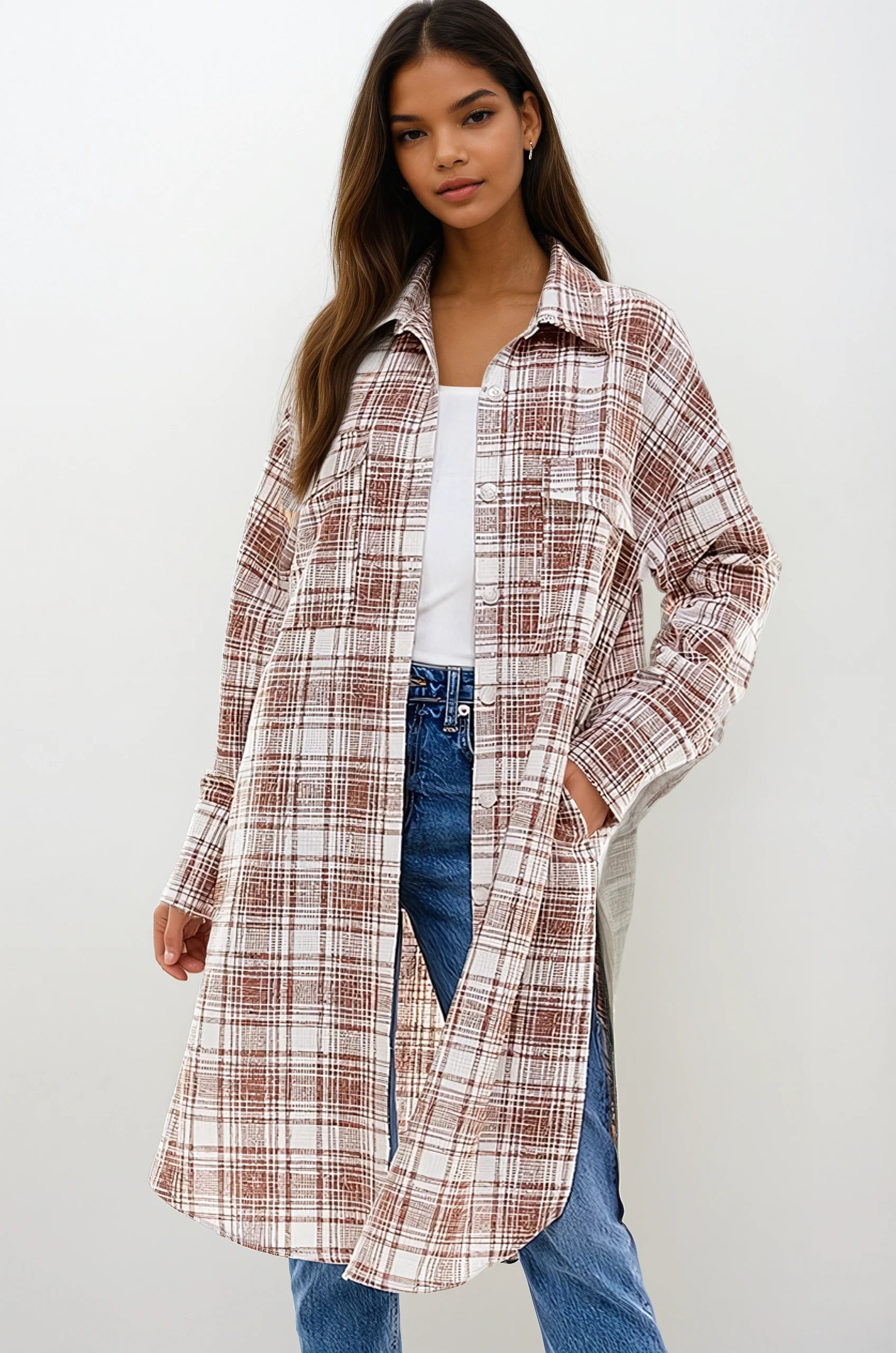
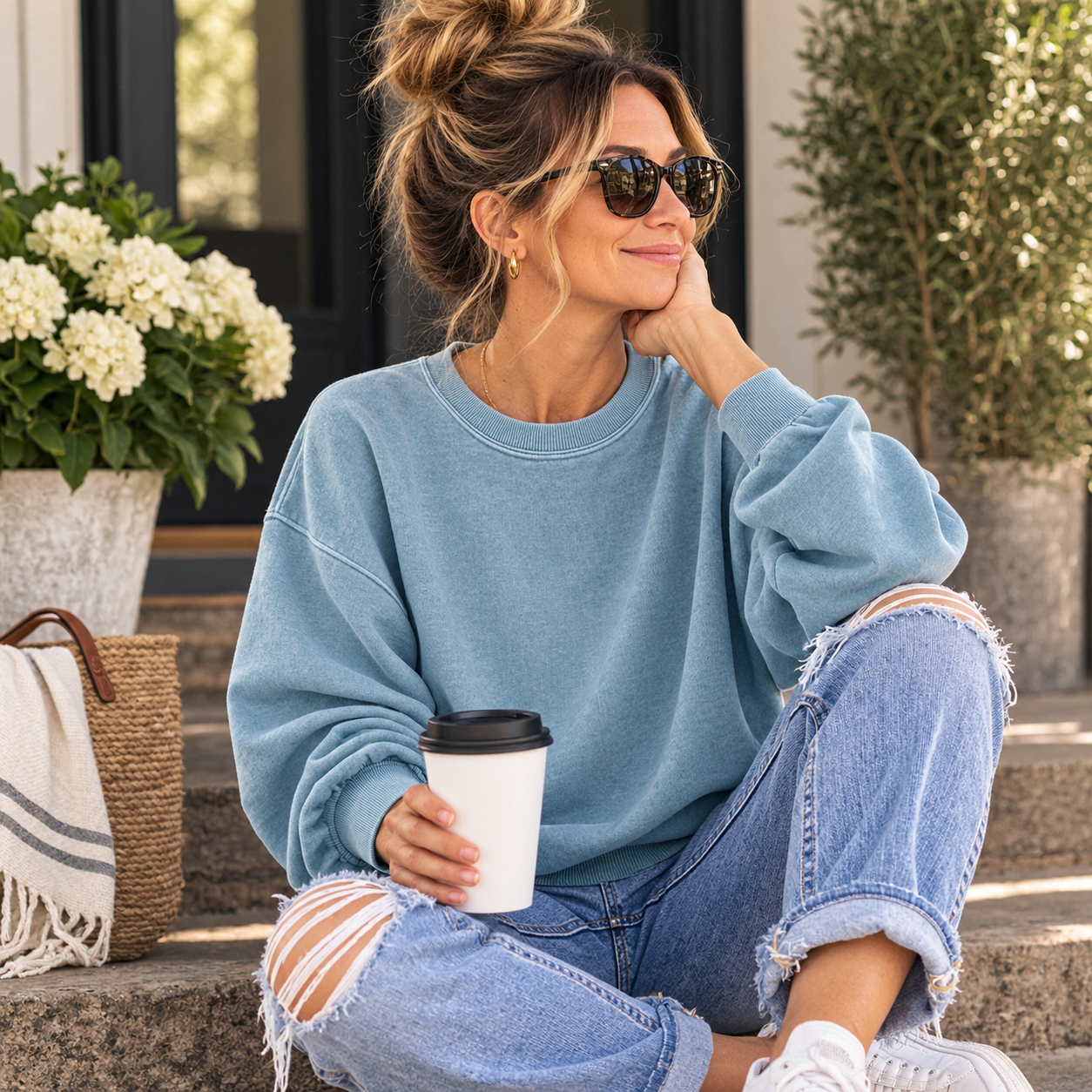
For a sense of how construction and wash details translate into a durable everyday piece, look at how a heavier weave and thoughtful cut come together in our Vintage Ease Oversized Crewneck or the Oversized Long Plaid Shacket. Both show the cues to look for.
How to Make Clothes Last Longer: Care and Repair Basics
To make clothes last longer, wash less often, use cool water, air dry, and repair small damage early. These habits slow wear and tear more than any single product.
Follow this routine:
- Air out garments between wears instead of washing
- Spot-clean small marks rather than a full wash
- Turn garments inside out to reduce surface friction
- Use a mesh bag for delicates to prevent snags
- Air dry on a rack to avoid heat damage
- Repair early: fix loose buttons, small holes, and split seams before they spread
- Store folded knits to avoid stretching on hangers
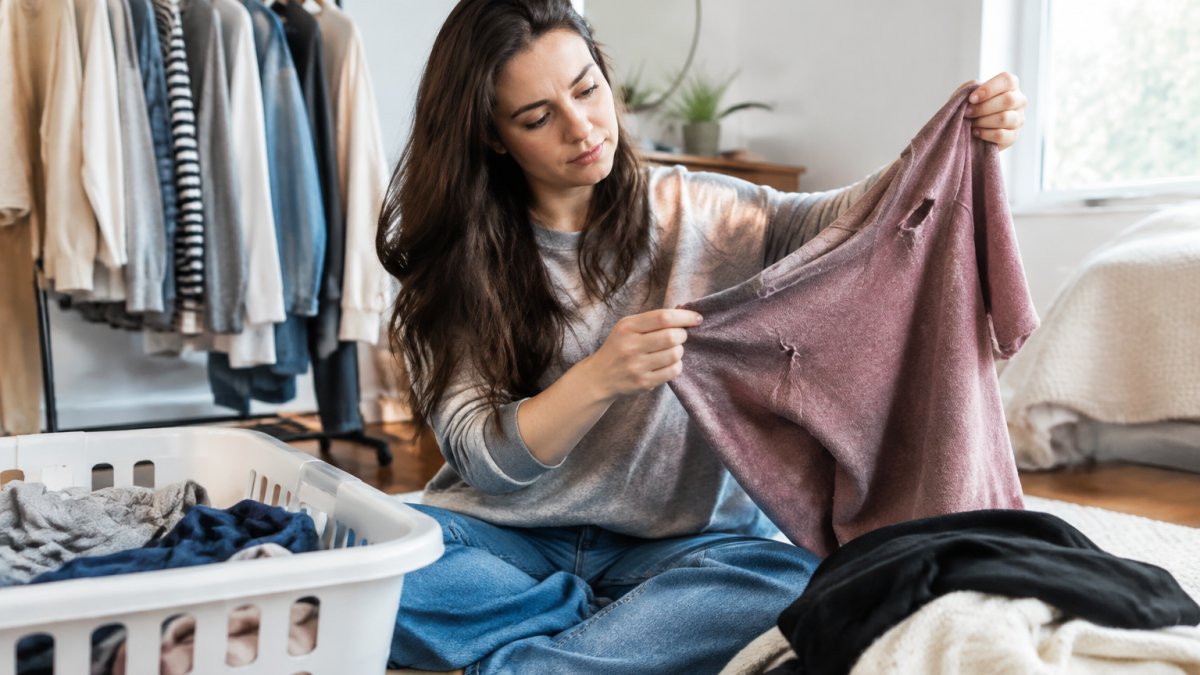
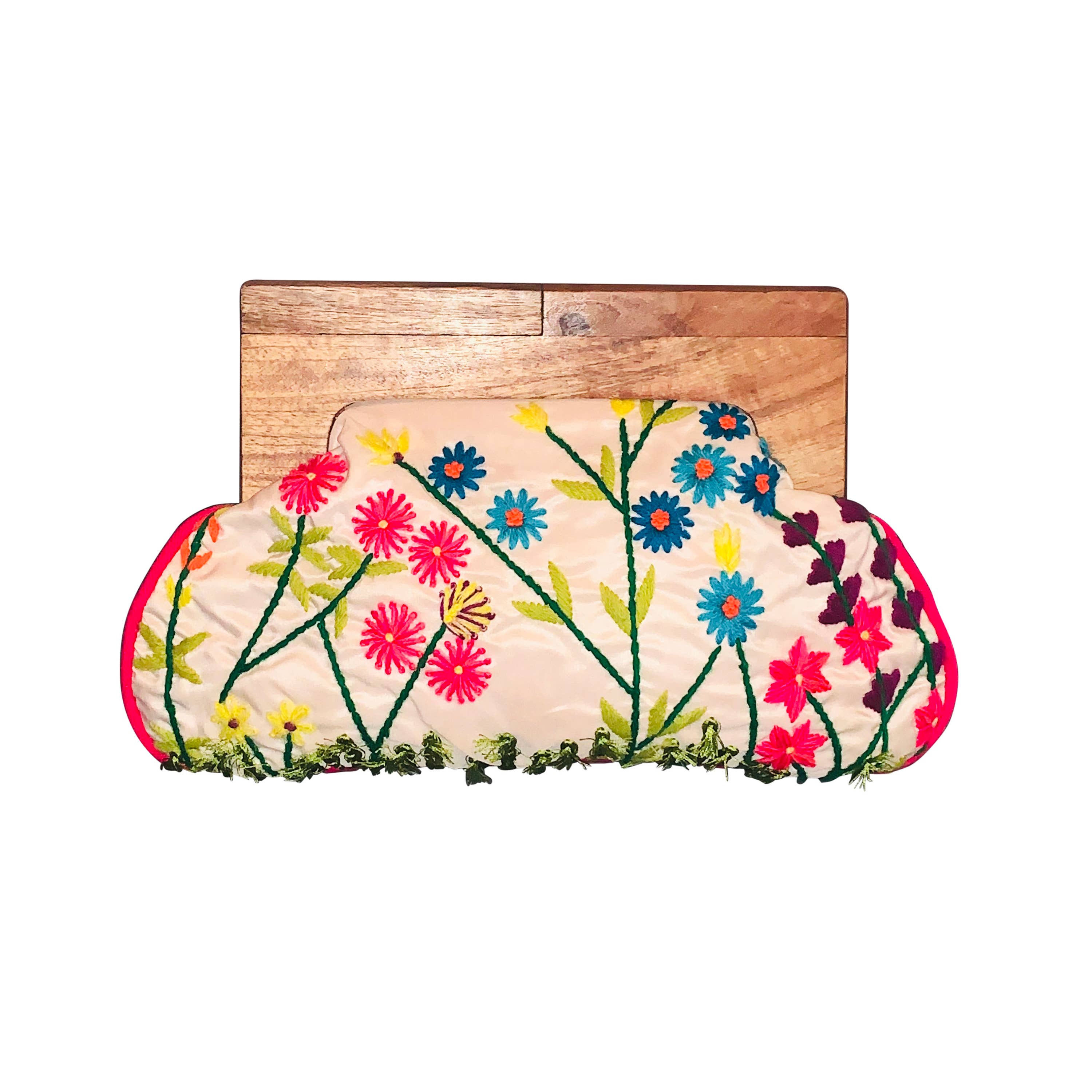
Repair by failure type. Pilling? Use a fabric shaver. Small holes? A simple stitch stops the spread. Fading? Wash inside out and skip the dryer. A care-and-repair mindset also extends to accessories you want to keep, like a well-made durable clutch bag.
Building a Longer-Lasting Wardrobe at House of Caelo
Building a longer-lasting wardrobe means choosing fewer, better pieces and caring for them well. House of Caelo focuses on easy layers, meaningful details, and pieces made to move through life with you.
Our curated collections focus on wearable everyday favorites. You can find versatile pieces for work, weekends, and travel. Designed to help you feel comfortable, confident, and more like yourself.
Ready to build a wardrobe that lasts? Start with the categories where fabric quality matters most, like our workout leggings and sports bras, and shop the full collection.
The fast-fashion cycle is hard to escape, but you can opt out one purchase at a time. House of Caelo helps you do it with curated collections built for real life, easy layers you can wear across occasions, and meaningful details that make getting dressed feel good again. Get started with House of Caelo and build a wardrobe you reach for again and again.
Frequently Asked Questions
Why do women's clothes seem to wear out faster than men's?
Several factors can stack up. Women's garments can use lighter-weight knits and delicate fabrics, have more seams and stress points from fitted cuts, and get washed more frequently. Fast fashion's quicker style turnover can also encourage thinner construction.
What is the average lifespan of clothes, and which parts wear out first?
Published figures vary widely by garment type and how often it is worn, so treat any single number with caution. In practice, the first failure points are usually underarm seams, crotch and inner-thigh areas, cuffs, collars, and elbows, where friction and stress concentrate. Pilling, thinning, and color loss typically show up before a hole does, which is your cue to change how you wash and dry that piece.
Does fabric type affect how long clothes last?
Yes, significantly. Natural fibers like cotton, linen, and wool generally resist pilling and hold shape well when cared for properly, while loose-knit synthetics and low-weight blends tend to pill and thin faster. Fabric weight and weave matter as much as fiber: a denser knit with tighter stitching outlasts a thin, loosely woven one. Checking the care label and feeling the fabric weight before buying tells you more than the fiber name alone.
How can I make my clothes last longer without much effort?
Wash less often and in cool water, turn garments inside out, use a mesh bag for delicates, and air dry instead of tumble drying. Address small repairs like loose buttons and seam splits early. Rotating your wardrobe so pieces rest between wears also reduces abrasion and stretching. These habits, applied consistently, extend garment life more than any single product.